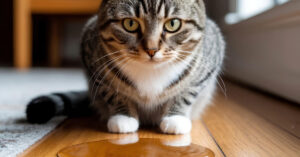
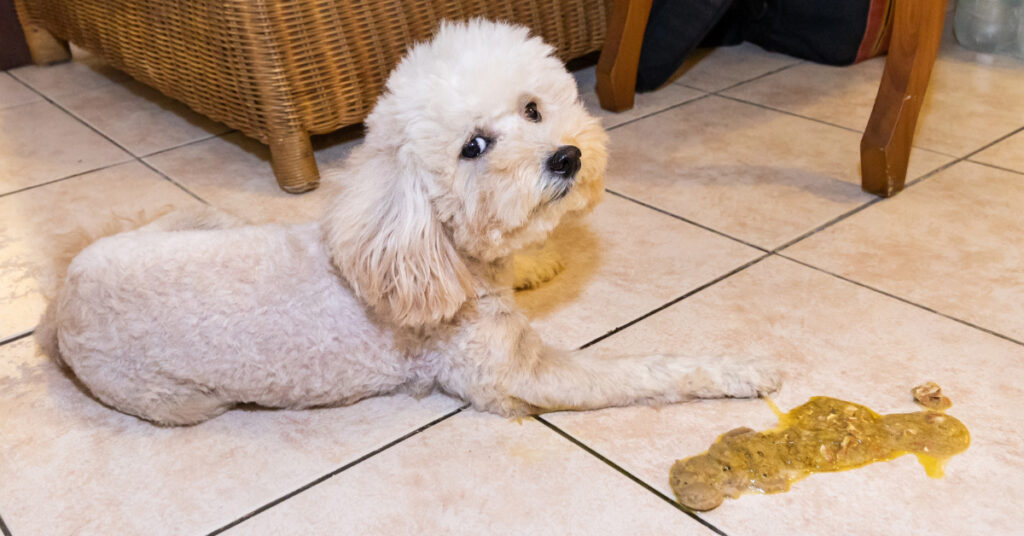
A dog throwing up yellow is one of those moments that can send any pet owner straight into worry mode, especially first thing in the morning. That yellow color usually comes from bile, a digestive fluid produced by the liver and stored in the gallbladder, and its presence in vomit often points to an empty stomach rather than something dangerous. Still, a dog throwing up yellow more than once, or alongside other symptoms, is worth paying attention to. At Laurel Veterinary Clinic, we field questions about yellow vomit since some Broomfield pet owners call in about it. This guide covers what yellow bile actually is, the most frequent causes behind it, what steps to take at home, and when it is time to bring your dog in.
What Is Yellow Bile in Dogs?
Bile is a yellow-green digestive fluid made by the liver and released into the small intestine to help break down fats. When a dog’s stomach is empty for an extended stretch, bile can reflux upward into the stomach and irritate the lining, which often triggers vomiting. This is the most common explanation behind a dog throwing up yellow, and it has a name of its own.
Bilious Vomiting Syndrome
Bilious vomiting syndrome describes exactly this pattern, a dog throwing up yellow bile on an empty stomach, most often early in the morning or late at night before the next meal. It tends to happen in dogs that go long stretches between meals, and it is generally considered a mild, manageable issue rather than a medical emergency.
How Yellow Vomit Differs From Other Colors
Vomit color can offer clues about what is going on. White or foamy vomit often points to an empty stomach or mild irritation, while a dog throwing up yellow specifically suggests bile involvement. Green vomit can sometimes indicate bile as well, though it may also point to ingestion of grass or plant material. Red or brown vomit is more concerning and should prompt a call to the vet right away.
Here’s how vomit color can help narrow down the cause:
- Yellow or yellow-green vomit typically points to bile from an empty stomach.
- White, foamy vomit often signals mild stomach irritation rather than a bile issue.
- Red, brown, or coffee-ground colored vomit warrants an immediate veterinary call.
Why Is My Dog Throwing Up Yellow?
There are several common reasons a dog throwing up yellow shows this particular pattern, ranging from simple scheduling issues to underlying health conditions.
Long Gaps Between Meals
The most frequent cause is simply an extended gap between meals. Dogs fed once a day, or dogs with irregular feeding schedules, are more prone to a dog throwing up yellow first thing in the morning, since the stomach has been empty overnight and bile has had time to build up and irritate the lining. Puppies and small-breed dogs tend to be more sensitive to this pattern, since their smaller stomachs and faster metabolisms mean bile can accumulate more quickly during a long overnight fast. Even a difference of an hour or two in typical feeding time can be enough to trigger an episode in a dog who is prone to it.
Dietary Indiscretion
Dogs that eat something unusual, whether that is table scraps, garbage, or something found on a walk, can experience stomach upset that leads to yellow vomit. This type of dog throwing up yellow episode often resolves on its own within a day, though it is worth watching closely.
Underlying Digestive or Organ Issues
Less commonly, a dog throwing up yellow repeatedly or persistently can be linked to conditions like pancreatitis, inflammatory bowel disease, liver issues, or a partial intestinal blockage. These cases usually come with additional signs like lethargy, appetite loss, or diarrhea, and they are not something to manage without professional guidance. Age and breed can also play a role, since older dogs are statistically more likely to develop chronic digestive conditions, while certain breeds carry a higher predisposition to pancreatitis. A dog throwing up yellow on a recurring basis, even if each individual episode seems mild, is a pattern worth mentioning at your next checkup rather than dismissing as routine.
What To Do if Your Dog Is Throwing up Yellow
Knowing how to respond when you notice a dog throwing up yellow can help you decide whether this is a wait-and-watch situation or one that needs prompt veterinary attention.
When It Is Likely Not an Emergency
A single episode of a dog throwing up yellow, especially in the morning before breakfast, with a dog who otherwise seems bright, active, and interested in food, is usually not cause for alarm. Monitoring your dog closely over the following hours is generally the right first step. Taking note of when the vomiting happened relative to the last meal, what the vomit looked like, and how your dog is behaving afterward gives you useful information if the pattern continues or if you do end up calling your vet.
Warning Signs That Need a Vet Visit
Certain signs turn a dog throwing up yellow from a minor issue into something that needs veterinary evaluation. These include repeated vomiting within a short period, blood in the vomit, visible pain or a hunched posture, lethargy, loss of appetite lasting more than a day, or vomiting paired with diarrhea.
Watch for these signs specifically:
- Repeated vomiting episodes within 24 hours.
- Signs of lethargy, weakness, or noticeable discomfort.
- Vomiting combined with diarrhea, fever, or refusal to eat.
Contacting Laurel Veterinary Clinic
If you are ever unsure whether your dog’s symptoms warrant a visit, call our team at Laurel Veterinary Clinic for an appointment to meet with a doctor and discuss your concerns.
How Do You Settle a Dog’s Stomach After Vomiting?
Once you and your veterinary team have determined that a dog throwing up yellow does not require an immediate visit, there are general steps that can support recovery.
Adjusting Feeding Schedules
Since long gaps between meals are such a common trigger, spacing meals more evenly throughout the day, such as splitting one large meal into two or three smaller ones, can reduce how often a dog throwing up yellow happens. A late-evening snack can also help shorten the overnight fasting window. Many owners find that simply moving dinner later in the evening, or adding a small bedtime portion of their dog’s regular food, is enough to stop the pattern of a dog throwing up yellow on an empty stomach altogether.
Monitoring and Follow-Up Care
After a vomiting episode, keeping a close eye on your dog’s energy, appetite, and bathroom habits over the next 24 to 48 hours helps you catch any escalation early. If symptoms return, worsen, or your dog seems unlike themselves, a follow-up call to your veterinarian is the safest next step, since ongoing at-home management is not a substitute for professional evaluation.
When Diagnostic Testing May Be Needed
For dogs with recurring or unexplained yellow vomiting, your veterinarian may recommend bloodwork, imaging, or other diagnostics to rule out conditions like pancreatitis or liver disease. Identifying the underlying cause is often the key to preventing repeat episodes.
Peace of Mind for Broomfield Pet Owners
A dog throwing up yellow is one of the more common concerns we hear about at Laurel Veterinary Clinic, and in many cases it turns out to be a simple, manageable issue related to feeding schedule rather than a serious illness. That said, trusting your instincts matters, and a pattern that feels off is always worth a phone call. Whether it is a single early-morning episode or something more persistent, our team is here to help you sort out what your dog’s symptoms mean and what to do next. Every dog is a little different, and what counts as normal for one may be a red flag for another, which is exactly why a quick conversation with your veterinarian can offer clarity that guesswork cannot. Call Laurel Veterinary Clinic at (303) 469-5363 or book an appointment online any time you have questions about your dog’s digestive health.