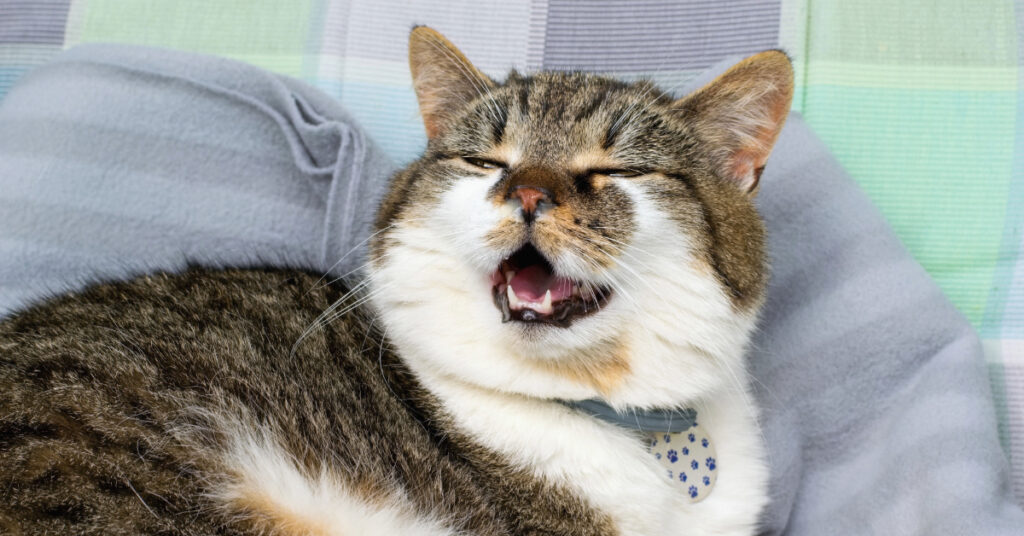
An occasional sneeze from your cat is nothing to think twice about, but when cat sneezing turns into a regular occurrence, it is natural to start wondering whether it is just dust in the air or something more. Cat sneezing can stem from something as harmless as a whiff of cleaning spray or as involved as a chronic respiratory infection. At Laurel Veterinary Clinic, we hear about cat sneezing from Broomfield pet owners often enough that it is worth breaking down clearly. Below, we’ll walk through how to tell true sneezing from other symptoms, what typically causes it, how it gets diagnosed, how it is treated, and when it is time to call your vet.
Is Your Cat Actually Sneezing?
Before diving into causes, it helps to confirm that what you are seeing is actually cat sneezing rather than something that just looks similar.
Sneezing vs. Reverse Sneezing
True cat sneezing is a quick, forceful expulsion of air through the nose, often accompanied by a visible head jerk. Reverse sneezing, which is less common in cats than dogs but does occur, sounds more like a series of rapid, snorting inhalations. Distinguishing between the two matters, since they point toward different underlying causes, and describing what you actually heard and saw to your veterinarian can speed up getting to the right diagnosis.
Frequency and Pattern
A single sneeze here and there, especially after sniffing something dusty or pungent, is not unusual and does not necessarily mean anything is wrong. Cat sneezing that happens in repeated bursts, occurs daily, or is accompanied by other symptoms is a different story and suggests something is actively irritating the nasal passages. Keeping a rough mental note of how often it happens over a week or two can help you and your vet spot a pattern more easily than trying to recall isolated incidents later.
What Causes Cat Sneezing?
Cat sneezing has a wide range of possible causes, from simple environmental irritants to underlying infections.
Environmental Irritants
Dust, pollen, cleaning products, cigarette smoke, and strong perfumes can all trigger occasional cat sneezing in an otherwise healthy cat. This type of sneezing tends to be brief and resolves once the irritant is removed from the environment. Litter dust from certain clumping litters is another commonly overlooked trigger, particularly for cats who dig or scratch vigorously before and after using the box.
Upper Respiratory Infections
Viral infections, particularly feline herpesvirus and feline calicivirus, are among the most common causes of persistent cat sneezing. These infections often come with additional symptoms like nasal discharge, watery eyes, and sometimes a mild fever, and they are especially common in cats from shelters, multi-cat households, or those with incomplete vaccine histories.
Dental Disease and Foreign Objects
Because a cat’s nasal passages sit close to the roots of the upper teeth, dental infections can sometimes trigger chronic cat sneezing on one side of the face. Foreign objects like blades of grass lodged in the nasal passage can cause a similar one-sided pattern, often paired with pawing at the face or rubbing against furniture.
A couple of clues that can help narrow things down before your visit:
- Environmental triggers usually cause sneezing that clears up within hours.
- Viral infections tend to bring sneezing that lingers for a week or more.
- One-sided sneezing that persists often points to a dental or nasal cause rather than infection.
How Is Cat Sneezing Diagnosed?
Getting to the bottom of persistent cat sneezing usually starts with a conversation about your cat’s history and a hands-on exam.
Physical Examination
Your veterinarian will typically start by examining your cat’s nose, mouth, teeth, and eyes, checking for discharge, swelling, redness, or any visible abnormalities. This exam alone often narrows down the likely cause considerably. Sharing details about when the cat sneezing started, whether it comes and goes, and whether anything in the home environment changed recently gives your vet valuable context before they even begin the physical exam.
Additional Diagnostic Tools
For cases that do not have an obvious explanation, your vet may recommend bloodwork, viral testing, dental X-rays, or in some cases advanced imaging or a referral for rhinoscopy to look directly inside the nasal passages. These tools help distinguish between infection, dental disease, allergies, or, less commonly, growths within the nasal cavity. Which combination of tests makes sense depends heavily on the specific pattern of symptoms your cat is showing, so your vet will typically start with the least invasive options before moving to anything more involved.
How Is Cat Sneezing Treated?
Treatment for cat sneezing depends entirely on what is driving it, which is why an accurate diagnosis matters so much before starting any course of action.
Treating Underlying Infections
When cat sneezing is linked to a viral or bacterial infection, your veterinarian may recommend supportive care, and in some cases prescribe medication to address a secondary bacterial component. Keeping your cat’s environment warm, comfortable, and low-stress supports recovery alongside any treatment your vet prescribes. Encouraging your cat to eat and stay hydrated during recovery also matters, since a stuffy nose can make food smell less appealing and reduce a cat’s appetite temporarily.
Addressing Dental or Structural Causes
If dental disease or a foreign object is behind persistent, one-sided cat sneezing, treatment usually involves addressing that underlying issue directly, whether that means a dental procedure or removal of the object, rather than simply treating the sneezing itself.
Managing Environmental Triggers
For cat sneezing linked to environmental irritants, reducing exposure often makes the biggest difference. This might mean switching to fragrance-free cleaning products, using an air purifier, or simply keeping your cat away from areas where strong scents or dust tend to build up.
When Should I Be Concerned About Cat Sneezing?
While occasional cat sneezing rarely warrants concern, certain patterns and accompanying symptoms are worth watching closely.
Warning Signs to Watch For
Cat sneezing paired with lethargy, appetite loss, colored or bloody nasal discharge, labored breathing, or facial swelling should prompt a call to your veterinarian. The same goes for sneezing that persists for more than a week without improvement. Any sneezing that starts suddenly and involves only one nostril, especially with visible swelling on that side of the face, also deserves prompt attention rather than a wait-and-see approach.
Special Considerations for Kittens and Senior Cats
Kittens and senior cats tend to have less robust immune responses, which means cat sneezing in these age groups can escalate more quickly than it might in a healthy adult and deserves closer attention. A kitten with persistent sneezing, in particular, should generally be seen sooner rather than later, since young cats can dehydrate and lose weight quickly if a respiratory infection interferes with eating.
A couple of details worth noting when you call to describe symptoms:
- Whether the discharge, if any, is clear, cloudy, or tinged with blood.
- Whether your cat is still eating and drinking normally.
Keeping Broomfield Cats Breathing Easy
Cat sneezing covers a wide spectrum, from a passing reaction to household dust to a sign of a more involved respiratory or dental issue. Paying attention to frequency, discharge, and your cat’s overall behavior gives you the best information for deciding when a vet visit makes sense. Cats are often good at masking discomfort, which means a change as small as more frequent sneezing can be an early clue worth paying attention to rather than dismissing. Our team at Laurel Veterinary Clinic is always glad to help you figure out what is behind your cat’s sneezing and get them back to breathing comfortably. If your cat’s sneezing has you wondering what is going on, call Laurel Veterinary Clinic at (303) 469-5363 or book an appointment online and let us help you sort it out.