
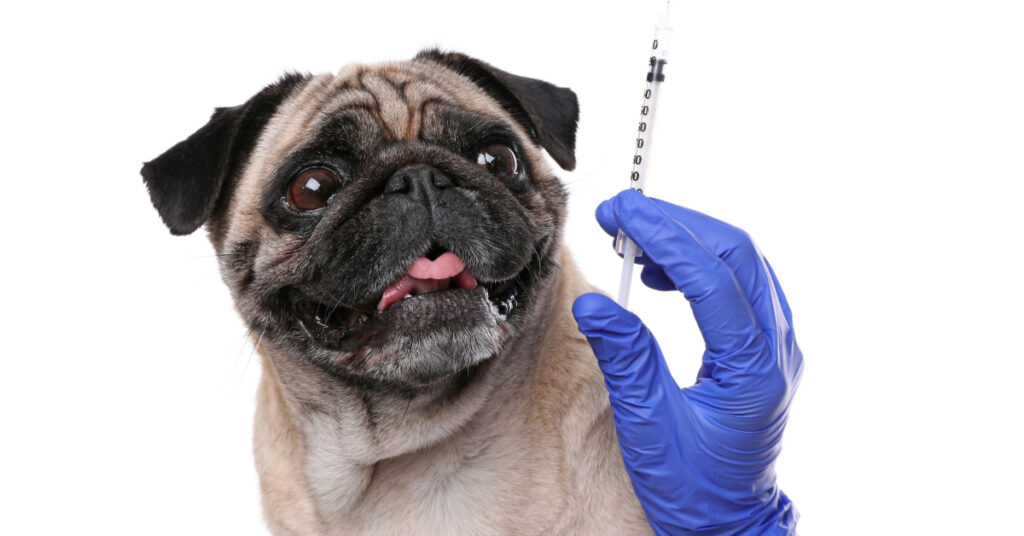
If you have ever boarded your dog, enrolled them in daycare, or signed up for a training class, chances are you have been asked whether your dog is current on the vaccine for kennel cough in dogs. It is one of those requirements that catches a lot of pet owners off guard, since it is not always part of the standard puppy vaccine series. At Laurel Veterinary Clinic, we get plenty of questions from Broomfield pet owners about whether this vaccine is really necessary or just an extra expense. This blog covers what kennel cough actually is, how the vaccine works, and how to decide whether your dog needs it.
What Is Kennel Cough?
Kennel cough, formally known as canine infectious tracheobronchitis, is a highly contagious respiratory infection that spreads easily anywhere dogs gather in close quarters, from boarding facilities to dog parks and everywhere in between.
How It Spreads
The condition gets its name from how quickly it can move through a kennel or shelter environment, though it can just as easily spread at a dog park, training class, or grooming salon. It is typically caused by a combination of bacteria and viruses, most commonly Bordetella bronchiseptica, along with parainfluenza virus and sometimes canine adenovirus. The infection spreads through airborne droplets from coughing and sneezing, as well as contact with contaminated surfaces like shared water bowls, toys, and bedding, which is part of why it moves so quickly through group settings.
Common Symptoms
The hallmark sign of kennel cough is a persistent, harsh cough that can sound like something is stuck in your dog’s throat. Other symptoms can include a runny nose, sneezing, low energy, and in some cases a mild fever. Most healthy adult dogs recover within one to three weeks, though puppies, senior dogs, and dogs with weakened immune systems can develop more serious complications like pneumonia. Because the cough can sound alarming even in mild cases, many owners understandably assume something more serious is going on and schedule a vet visit just to be sure.
A few other conditions can cause similar symptoms and are worth ruling out with your vet:
- Reverse sneezing, which is a brief spasm rather than a true cough.
- Canine influenza, which often comes with a higher fever and more fatigue.
- A collapsing trachea or chronic bronchitis, more common in small or senior breeds.
How Does the Vaccine for Kennel Cough in Dogs Work?
The vaccine for kennel cough in dogs is designed to protect against Bordetella bronchiseptica, one of the most common bacterial causes of the condition, and in some formulations, additional respiratory pathogens as well.
Available Formulations
The vaccine for kennel cough in dogs comes in a few different forms, including an intranasal version administered as drops in the nose, an oral version, and an injectable version. Your veterinarian will typically recommend the formulation that best fits your dog’s lifestyle and any facility requirements you need to meet. The intranasal and oral versions tend to trigger a faster local immune response in the respiratory tract, which is part of why many boarding facilities specifically ask for one of these formulations of the vaccine for kennel cough in dogs.
How Protective Is It?
Like many respiratory vaccines, the vaccine for kennel cough in dogs does not guarantee your dog will never develop symptoms, since kennel cough can be caused by several different organisms and the vaccine targets specific ones. What it does is significantly reduce the likelihood of infection and tends to shorten the duration and severity of illness if your dog does get sick. Think of it similarly to a flu shot in people, since it lowers risk and softens the impact rather than offering absolute, guaranteed protection against every possible cause of the illness.
Does My Dog Need the Vaccine for Kennel Cough in Dogs?
Whether the vaccine for kennel cough in dogs makes sense for your dog depends largely on lifestyle, exposure risk, and any requirements set by facilities you use.
Lifestyle and Exposure Risk
Dogs that regularly visit boarding kennels, daycare, dog parks, grooming salons, or group training classes are at higher risk of exposure and are generally good candidates for the vaccine for kennel cough in dogs. Dogs that rarely leave home or interact with other dogs may have a lower overall risk, though exposure can still happen at the vet’s office or on walks. Even occasional social outings, like a weekend at a friend’s house with another dog, can be enough exposure to make the vaccine worth considering for otherwise low-risk dogs.
Facility and Boarding Requirements
Many boarding facilities, daycares, and grooming businesses require proof of the vaccine for kennel cough in dogs before allowing your dog to participate, often specifying that it needs to be current within the past six to twelve months. Checking requirements ahead of time can help you avoid a last-minute scramble before a trip or appointment. Some facilities are strict about the exact formulation they accept, so it is worth confirming details with both your veterinarian and the facility itself before your dog’s visit.
A few practical details are worth confirming before drop-off day:
- Ask whether written proof, not just a verbal confirmation, is required at check-in.
- Confirm whether the facility accepts any formulation or requires a specific one.
- Records from a previous vet or facility may not automatically transfer to a new one.
What to Expect After the Vaccine for Kennel Cough in Dogs
Understanding what typically happens after your dog receives the vaccine for kennel cough in dogs can help you know what is normal and what might warrant a call to your veterinarian.
Common Side Effects
Most dogs tolerate the vaccine for kennel cough in dogs well, with only mild, short-lived side effects such as slight lethargy, a mild cough, or sneezing, particularly with the intranasal formulation. These effects typically resolve within a day or two on their own. Some dogs may also show mild discomfort at the injection site if they receive the injectable version, which usually fades quickly without any special care needed.
When to Contact Your Veterinarian
If your dog develops a persistent cough lasting more than a few days, seems unusually lethargic, stops eating, or shows any signs of an allergic reaction such as facial swelling, contacting Laurel Veterinary Clinic promptly is the right move. These reactions are uncommon, but they are worth taking seriously when they happen. Keeping an eye on your dog for the first day or two after any vaccine appointment is a reasonable habit regardless of which vaccines they received.
Timing Before Boarding or Travel
Since the vaccine for kennel cough in dogs takes a few days to become fully effective, it is best to schedule it at least a week or two before any planned boarding, travel, or group activity rather than the day before. Booking the appointment as soon as travel or boarding dates are confirmed helps avoid the stress of trying to fit it in at the last minute, especially during busier seasons when appointment availability can fill up quickly.
Peace of Mind for Broomfield Dog Owners
Deciding whether your dog needs the vaccine for kennel cough in dogs ultimately comes down to their individual lifestyle and how often they are around other dogs. For social, active dogs, it is often a simple and worthwhile way to reduce the risk of a miserable, contagious illness that can sideline playdates and boarding trips alike. Even lower-risk dogs can sometimes benefit from the added protection, particularly if their routine changes down the line to include more boarding, travel, or group activities than it does today. Our team at Laurel Veterinary Clinic is always happy to talk through your dog’s specific routine and help you decide whether this vaccine fits into their overall care plan. Call us at (303) 469-5363 or book an appointment online anytime you have questions about kennel cough or any other aspect of keeping your dog healthy in Broomfield.