
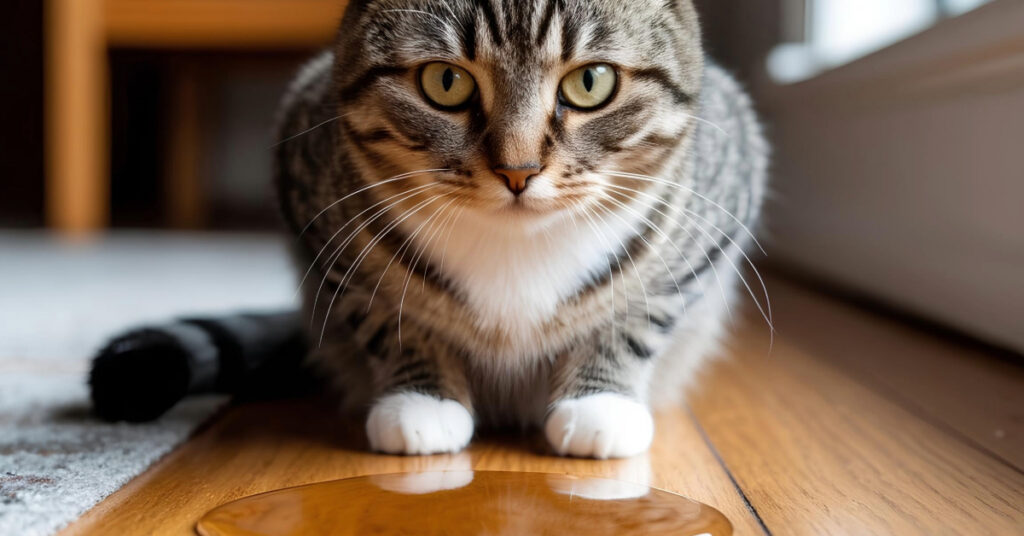
A cat throwing up every once in a while is something most cat owners have dealt with, and in many cases it is not a reason to panic. Cats vomit for all kinds of reasons, from something as simple as eating too fast to something that needs veterinary attention. The trick is learning to tell the difference between occasional, harmless vomiting and a pattern that points to a bigger issue. At Laurel Veterinary Clinic, cat throwing up is one of the symptoms our Broomfield clients ask about most, especially when it becomes a repeat occurrence. This guide breaks down the most common causes, the warning signs to watch for, and what steps to take when your cat is throwing up.
Why Is My Cat Throwing Up?
There is no single answer to why a cat is throwing up, since vomiting is a symptom rather than a specific illness on its own. It can be triggered by something happening in the digestive tract, an issue elsewhere in the body, or simply how and what your cat ate.
How the Vomiting Reflex Works
Vomiting happens when the brain’s vomiting center is triggered, either by irritation in the stomach and intestines or by signals from other parts of the body, including the bloodstream and inner ear. This is why a cat throwing up can stem from something as local as an upset stomach or as far-reaching as a kidney or metabolic issue. Toxins, certain medications, motion, and even strong smells can all activate this same pathway, which is part of why vomiting shows up as a symptom of so many unrelated conditions.
Acute vs. Chronic Vomiting
A cat throwing up once or twice and then acting completely normal is usually considered acute vomiting, and it often resolves on its own. Chronic vomiting, on the other hand, refers to a cat throwing up regularly over weeks or months, and it almost always warrants a veterinary workup, since it can point to an ongoing condition rather than a one-time upset. The distinction matters because acute cases are often manageable with simple observation, while chronic cases tend to need diagnostic testing to figure out what is actually going on beneath the surface.
Common Causes of a Cat Throwing Up
Understanding what is behind a cat throwing up starts with looking at the most frequent culprits, several of which are easy to overlook.
Hairballs
Hairballs are one of the most familiar reasons behind a cat throwing up, especially in long-haired breeds or cats that groom themselves frequently. Swallowed fur that cannot pass through the digestive tract normally gets brought back up instead, often in a distinctive tube-shaped clump. Regular brushing can reduce how much loose fur your cat ingests during grooming, which in turn can cut down on how often hairballs show up.
Eating Too Fast or Dietary Changes
A cat throwing up shortly after a meal is sometimes simply eating too quickly, which can cause food to come back up almost undigested. Sudden diet changes, new treats, or a switch in food brands can also upset a sensitive stomach and lead to short-term vomiting.
Underlying Medical Conditions
Persistent cat throwing up can be linked to conditions such as inflammatory bowel disease, kidney disease, hyperthyroidism, pancreatitis, or food allergies. These conditions are more common in middle-aged and senior cats, and they typically come with other signs like weight loss, changes in appetite, or increased thirst. Because these symptoms can develop gradually, owners sometimes assume a cat throwing up here and there is just normal cat behavior, when in reality it can be an early clue that something more significant is developing.
When Should You Worry About a Cat Throwing Up?
Not every instance of a cat throwing up needs a vet visit, but certain patterns and symptoms change the picture.
Signs That Warrant a Vet Visit
A cat throwing up more than once or twice in a day, or repeatedly over several days, should be evaluated by a veterinarian. The same goes for vomiting paired with lethargy, appetite loss, diarrhea, weight loss, or visible discomfort. Blood in the vomit or vomit that looks like coffee grounds is always a reason to call right away. Straining to vomit without producing anything, or repeated retching, can also point to a blockage and should be treated as urgent.
Age and Health Considerations
Kittens and senior cats tend to be more vulnerable to complications from vomiting, since dehydration can set in more quickly and more seriously in both of these age groups. A cat throwing up who also has a known health condition, such as diabetes or kidney disease, should generally be seen sooner rather than later, since vomiting can affect how well those conditions are managed. Outdoor or multi-cat households also warrant a bit more caution, since exposure to plants, parasites, or other animals can introduce additional triggers that are worth ruling out.
What To Do When Your Cat Is Throwing Up
Once you have a sense of whether a cat throwing up is an isolated event or part of a larger pattern, there are general next steps to consider.
Monitoring at Home
For a cat throwing up just once, with no other symptoms and normal energy and appetite, keeping an eye on things over the next day is often reasonable. Noting how often the vomiting happens, what the vomit looks like, and whether your cat seems otherwise well gives you helpful information to share with your vet if needed. Keeping fresh water available and watching whether your cat is eating and using the litter box normally can also help you gauge whether things are trending in the right direction.
When To Call Laurel Veterinary Clinic
If your cat’s vomiting continues, worsens, or comes with any of the warning signs above, reaching out to Laurel Veterinary Clinic is the right next step. Our team can schedule an appointment to speak with one of our veterinarians about your concerns.
Diagnostic Steps Your Vet May Recommend
For cats with recurring or unexplained vomiting, a veterinarian may recommend bloodwork, urinalysis, imaging, or other diagnostics to identify the underlying cause. Pinpointing what is driving the vomiting is often the most direct path to getting it under control. In some cases, a short-term dietary trial is also part of the workup, since certain ingredients can be identified as culprits once other causes have been ruled out.
Trusted Care for Broomfield Cats
A cat throwing up is one of the more common concerns pet owners bring to Laurel Veterinary Clinic, and while many cases turn out to be minor, some point to something that benefits from earlier attention. Paying attention to frequency, other symptoms, and your cat’s overall behavior helps you know when it is time to make the call. Cats are known for hiding signs of illness, which makes small changes in appetite, energy, or litter box habits worth taking seriously even when vomiting seems mild on its own. Our team is always glad to talk through what you are noticing and help you decide on the right next step for your cat. If your cat’s vomiting has you wondering what is going on, call Laurel Veterinary Clinic at (303) 469-5363 or book an appointment online and let us help you sort it out.