If you’ve ever watched your dog pant after a walk and wondered whether something was wrong, you’re not alone. Dog panting is one of the most common behaviors pet owners notice, and while it’s usually completely normal, there are times when heavy panting in dogs can be a sign of something more serious. This blog will help you understand what’s typical versus what warrants a call to your veterinarian, so you can make all the difference in your dog’s health and comfort.
What Is Normal Dog Panting?
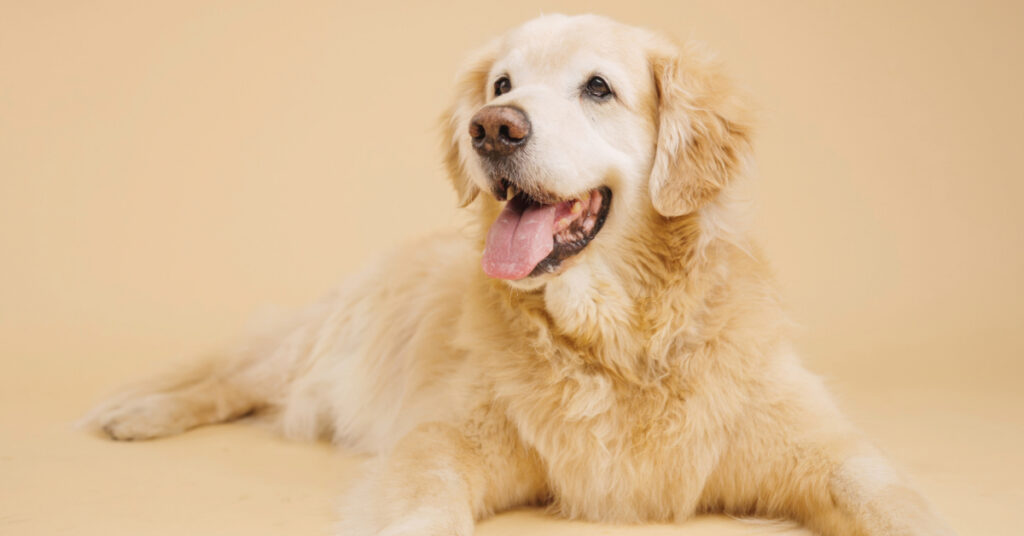
Dogs pant as their primary way of regulating body temperature. Unlike humans, dogs don’t sweat through their skin in the same way. Instead, they release heat through their mouths and tongues, which is why you’ll almost always see a dog panting after exercise or on a warm day. Normal dog panting is shallow to moderate, rhythmic, and stops relatively quickly once the dog has cooled down or rested.
Why Do Dogs Pant After Exercise?
Physical activity raises a dog’s core body temperature, and panting is the fastest way for them to release that built-up heat. Dogs panting after a run or play session is their body working exactly as it should. As long as the panting slows down within 10 to 20 minutes and your dog seems otherwise comfortable, there’s generally nothing to worry about.
Is It Normal for Dogs to Pant in the Heat?
Yes, dog panting in hot weather is a healthy, natural response. When temperatures rise, panting helps your dog stay cool. However, it’s important to make sure your dog has access to shade, fresh water, and a cool environment, especially during summer months in Colorado. Dogs can overheat quickly, and panting that doesn’t slow down despite rest and water could indicate heat exhaustion or heatstroke.
Common Reasons Dogs Pant
There are many reasons why dogs pant, and most of them are tied to everyday life. Getting familiar with your dog’s normal panting patterns will help you notice when something seems off.
- Heat and exercise: The most common cause of dog panting. After activity or in warm temperatures, panting is how dogs cool down.
- Excitement or stress: Dogs often pant when they’re excited to see you, anxious during car rides, or nervous during thunderstorms. Stress-related dog panting typically accompanies other behavioral cues like pacing, yawning, or lip-licking.
- Pain or discomfort: Dogs are stoic animals, and panting can be one of the more subtle signs that something hurts. If your dog is panting at rest, particularly at night, it’s worth investigating.
- Medications: Certain medications, especially corticosteroids like prednisone, can cause excessive panting in dogs as a side effect.
- Age-related changes: Older dogs may pant more due to cognitive dysfunction, pain from arthritis, or other age-related health conditions.
When Is Dog Panting a Cause for Concern?
While dog panting is usually benign, heavy panting in dogs that appears suddenly, without an obvious cause, or alongside other symptoms can signal a medical problem. Knowing when to be concerned about your dog panting is an important part of responsible pet ownership.
What Does Abnormal Panting in Dogs Look Like?
Abnormal dog panting tends to be louder, more labored, or more persistent than typical panting. It may sound different from your dog’s usual pattern, and you might notice your dog seems restless, uncomfortable, or unable to settle. Excessive panting in dogs that occurs without a clear cause, especially at night or during cool weather, deserves attention.
Health Conditions That Can Cause Excessive Panting in Dogs
Several medical conditions are known to cause abnormal or excessive panting in dogs. These include:
- Cushing’s disease (hyperadrenocorticism): A hormonal disorder that causes the body to produce too much cortisol. Heavy panting is one of the hallmark signs, often paired with increased thirst, a pot-bellied appearance, and hair loss.
- Heart disease: Dogs with cardiac issues may pant as their hearts work harder to circulate blood. This is often accompanied by reduced exercise tolerance, coughing, or weakness.
- Respiratory problems: Conditions like laryngeal paralysis, pneumonia, or collapsing trachea can all cause dogs to pant excessively as they struggle to breathe normally.
- Anemia: A low red blood cell count reduces the amount of oxygen carried through the body, which can result in heavy panting in dogs as the body tries to compensate.
- Heatstroke: Rapid, intense panting that doesn’t slow down, combined with drooling, lethargy, and disorientation, is a veterinary emergency.
- Pain: Whether from an injury, abdominal issues, or a chronic condition like arthritis, pain is a frequent and underrecognized cause of panting in dogs.
Why Is My Dog Panting at Night?
If you’ve noticed your dog panting at night when the temperature is comfortable and they haven’t been active, it’s worth paying close attention. Nighttime panting in dogs can be linked to pain, anxiety, cognitive dysfunction syndrome (sometimes called doggy dementia), or hormonal imbalances like Cushing’s disease. Older dogs especially may start panting at night as a symptom of age-related cognitive changes.
Tracking when the panting happens, how long it lasts, and whether it’s paired with other symptoms can be incredibly helpful information to share with your veterinarian.
Why Is My Puppy Panting So Much?
Puppies tend to be energetic and excitable, so seeing a puppy panting heavily after play or during new experiences is very common. However, puppies can also overheat faster than adult dogs and may not yet regulate their energy effectively. If your puppy is panting heavily at rest, appears lethargic, or doesn’t seem right, it’s always smart to check in with your vet.
Breed-Specific Panting: What Brachycephalic Dogs Need You to Know
Flat-faced (brachycephalic) dog breeds like Bulldogs, Pugs, Boston Terriers, and French Bulldogs have anatomical features that make breathing inherently more difficult. These dogs often pant more than other breeds, even during mild activity or in moderately warm weather. Brachycephalic dogs panting heavily is not always abnormal, but it does mean these breeds need extra monitoring and should never be left in hot environments. If you have a brachycephalic dog, talking with the team at Laurel Veterinary Clinic in Broomfield about their specific breathing needs is a great proactive step.
When to Take Your Dog to the Vet for Panting
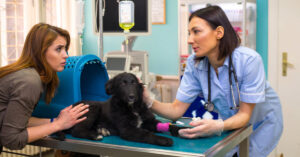
Not every panting episode requires a vet visit, but there are clear situations where a professional evaluation is the right call. Contact Laurel Veterinary Clinic or seek emergency care if your dog is:
- Panting heavily without an obvious cause, especially at rest or during cool weather
- Panting alongside other symptoms like vomiting, lethargy, pale gums, or collapse
- Panting that sounds labored, raspy, or more intense than usual
- A senior dog who has recently developed new panting patterns
- Displaying signs of heatstroke, including rapid, unrelenting panting with drooling or disorientation
Helping Your Dog Stay Comfortable: What You Can Do
While it’s not advisable to attempt home treatments for medical panting, there are simple ways to support your dog’s comfort in everyday situations. Make sure your dog always has access to fresh water and shade during outdoor activities. Avoid exercising dogs during the hottest parts of the day, particularly in Colorado summers. Create a calm, cool environment for anxious dogs who tend to pant during stressful situations. Most importantly, if you notice something that doesn’t feel right about your dog’s panting, trust your instincts and reach out to your veterinarian. You know your dog best.
Your Partner in Your Dog’s Health at Laurel Veterinary Clinic
At Laurel Veterinary Clinic in Broomfield, CO, our team is here to help you understand your dog’s health from nose to tail. Whether you’re concerned about heavy panting in your dog or just want a routine wellness check, we’re always happy to answer your questions and make sure your pet is thriving. Give us a call at (303) 469-5363 or book an appointment online today.