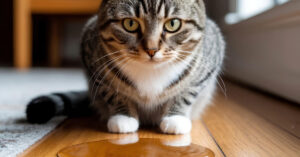
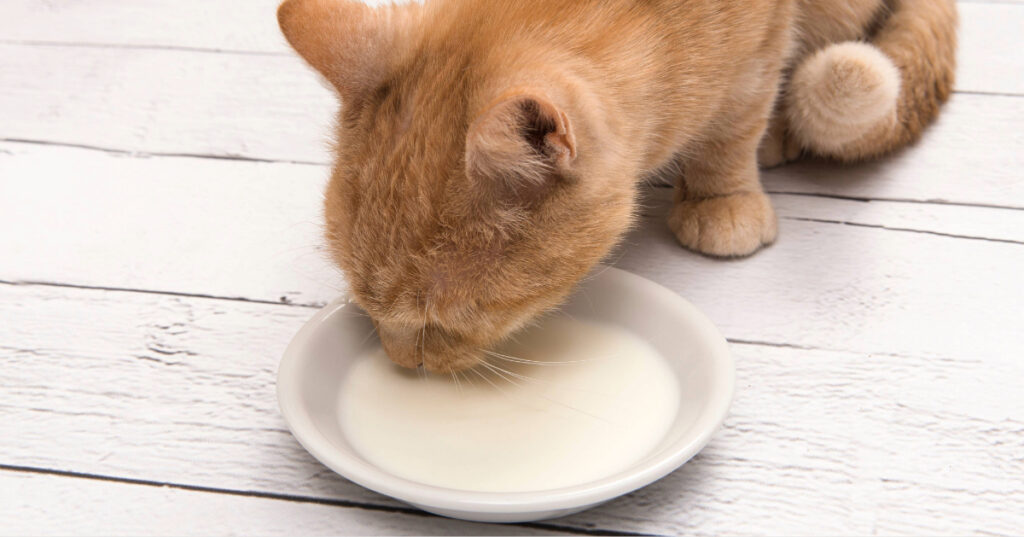
The image of a cat happily lapping up a bowl of milk is a classic one, but the reality is a bit more complicated. Can cats drink milk? Technically yes, but whether cats should drink milk is a different question entirely. For most adult cats, cow’s milk is not a safe or appropriate treat, and understanding why can help you make better choices for your feline companion’s health.
Can Cats Drink Milk?
The short answer is that most adult cats are lactose intolerant, which means their digestive systems cannot properly process the lactose found in cow’s milk and other dairy products. Cats are obligate carnivores and do not have a nutritional need for milk after weaning. While a small amount of milk is unlikely to cause serious harm in every cat, it commonly causes digestive upset, and it provides no meaningful nutritional benefit.
Why Are Cats Lactose Intolerant?
Lactose intolerance occurs when the body doesn’t produce enough of an enzyme called lactase, which is needed to break down lactose, the sugar found naturally in milk. Kittens produce lactase to digest their mother’s milk, but as cats mature and are weaned, lactase production typically decreases significantly. By adulthood, most cats lack sufficient lactase to properly digest cow’s milk.
When a lactose-intolerant cat drinks milk, the undigested lactose moves into the large intestine where it ferments and causes symptoms like diarrhea, vomiting, bloating, and gas. Some cats experience these symptoms after just a small amount of milk, while others may tolerate slightly more before showing signs of distress.
What Happens If a Cat Drinks Milk?
If your cat drinks cow’s milk, the most common outcome for a lactose-intolerant cat is gastrointestinal upset. Signs typically appear within several hours and may include:
- Diarrhea or loose stools
- Vomiting
- Abdominal bloating or discomfort
- Excessive gas
- Decreased appetite
For most cats, these symptoms resolve on their own once the milk has passed through their system. However, if your cat drank a large amount of milk, or if symptoms are severe or prolonged, a call to Laurel Veterinary Clinic in Broomfield is a good idea. Persistent diarrhea can lead to dehydration and other complications.
Can Kittens Drink Cow’s Milk?
One of the most important misconceptions about cats and milk is that cow’s milk is a suitable substitute for mother’s milk or kitten milk replacer. It is not. Cow’s milk has a different nutritional profile than cat milk, and it can cause significant digestive distress even in very young kittens.
If you are caring for an orphaned kitten, they need specially formulated kitten milk replacer (KMR), not cow’s milk or any other human dairy product. Contact Laurel Veterinary Clinic in Broomfield, CO for guidance on the appropriate formula and feeding schedule for orphaned kittens.
Is Lactose-Free Milk Safe for Cats?
Lactose-free cow’s milk is processed to break down lactose, which does eliminate the main reason why regular milk causes digestive problems in cats. So technically, lactose-free milk is less likely to upset a cat’s stomach. However, it still offers no nutritional benefit for cats, and it contains calories, fat, and proteins that are not part of a nutritionally balanced feline diet.
There are also commercial cat milks available, sometimes marketed as “cat milk” or “kitten milk,” which are formulated specifically to be lower in lactose and more suitable for feline digestion. These products are generally safer than regular cow’s milk, but they should still be considered an occasional treat, not a dietary staple. Always check with your veterinarian before introducing any new food or treat into your cat’s diet.
What About Other Dairy Products?
Cats that are sensitive to cow’s milk may also react poorly to other dairy products. The general rule is that the higher the lactose content, the more likely a dairy product is to cause problems. Other dairy products to avoid include:
- Cheese: Hard cheeses like cheddar contain relatively small amounts of lactose and are unlikely to cause significant digestive upset in most cats in very small quantities. Soft cheeses have more lactose and are more likely to be problematic.
- Yogurt: Plain yogurt with live cultures has lower lactose than regular milk because the bacteria partially break it down. Some cats tolerate small amounts, but it should not be given regularly.
- Ice cream and cream: These are high in fat, sugar, and lactose, making them poor choices for cats on every level.
Why Do Cats Like Milk If It’s Bad for Them?
Many cats are attracted to milk and will eagerly drink it if offered. The appeal is largely about fat content rather than lactose. Cats are drawn to the rich, fatty smell and taste of milk and cream. Their attraction to it doesn’t mean their bodies are equipped to handle it without discomfort. Just because a cat wants something doesn’t mean it’s good for them, as any cat owner with a curious pet already knows.
What Should Cats Drink Instead?
Fresh, clean water is the only beverage cats truly need, and many cats don’t drink enough of it on their own. Encouraging adequate water intake is one of the most important things you can do for your cat’s long-term health. Wet food is also an excellent source of moisture and can help cats that are resistant water drinkers stay hydrated.
If you’re concerned about your cat’s hydration, or if your cat has developed a habit of stealing dairy from your glass, our veterinary team at Laurel Veterinary Clinic in Broomfield is always happy to discuss your cat’s diet and nutritional needs.
The Truth About Cats and Dairy
The cultural image of a contented cat with a bowl of milk has outlasted the science that has long shown us why it’s not a good idea. Most cats and milk simply don’t mix well. While an occasional very small taste is unlikely to harm an otherwise healthy adult cat, cow’s milk is not a treat worth offering when it comes with a real risk of digestive discomfort. For guidance on what foods are safe for your specific cat, including appropriate treats and diet recommendations, call Laurel Veterinary Clinic in Broomfield, CO at (303) 469-5363 or book an appointment online. We’re here to help your cat thrive on a diet that actually works for their biology.