Most pet owners know to keep fresh water in their dog’s bowl, but do you know how to tell if your dog is actually drinking enough? Dog dehydration is more common than many people realize, and the signs aren’t always obvious. By the time your dog seems visibly thirsty or lethargic, dehydration may already be affecting their body. Here’s what to look for, and when it’s time to get your veterinarian involved.
What Is Dog Dehydration?
Dog dehydration occurs when your dog’s body loses more fluids than it takes in. Water is essential for nearly every function in your dog’s body, from regulating temperature and lubricating joints to supporting digestion and organ function. When a dog becomes dehydrated, these processes are disrupted, which can lead to serious health consequences if not addressed promptly.
Dehydration in dogs can happen for a variety of reasons, including illness, vomiting, diarrhea, heat exposure, or simply not drinking enough water on a given day. Some dogs are naturally less enthusiastic water drinkers, which can put them at greater risk.
5 Hidden Signs of Dog Dehydration You Might Be Missing
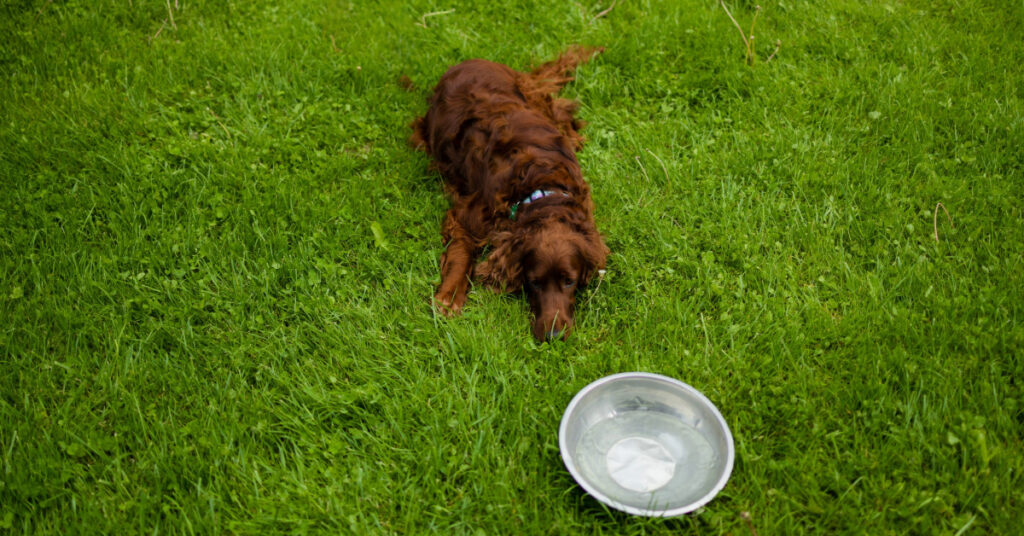
It’s easy to notice when a dog is panting by an empty water bowl, but dehydration in dogs often shows up in more subtle ways. These five signs are frequently overlooked by pet owners.
1. Skin Elasticity Loss (The Skin Tent Test)
One of the most reliable ways to check for dog dehydration at home is the skin turgor test. Gently pinch a small section of your dog’s skin at the back of the neck or between the shoulder blades, then release it. In a well-hydrated dog, the skin springs back almost immediately. In a dehydrated dog, the skin moves back slowly or stays tented for a moment before returning to normal. This is a sign that your dog’s tissues are losing moisture.
2. Dry, Tacky Gums
Healthy dog gums should feel moist and slippery. Dry or sticky gums are a red flag for dehydration in dogs. While you’re checking, press your finger against the gum and release it. The white spot left by the pressure should return to a healthy pink color within one to two seconds. A delayed capillary refill time can indicate poor circulation, which is often linked to dehydration.
3. Sunken or Dull Eyes
When a dog is dehydrated, their eyes may appear sunken into the sockets or look dry and less bright than usual. This happens because the tissues around the eye lose moisture. While this sign is often associated with more significant dehydration, it can appear before a dog seems otherwise unwell, making it an important one to know.
4. Lethargy and Reduced Energy
A dehydrated dog often becomes quieter and less interested in activity than usual. If your dog seems unusually tired, reluctant to play, or just “off” without an obvious explanation, dehydration may be a contributing factor. Because lethargy can point to many different health issues, it’s always worth investigating further, especially if it accompanies other signs of dog dehydration.
5. Decreased Urine Output or Dark Urine
A dog that isn’t drinking enough will produce less urine, and what they do produce may appear darker yellow than normal. While it can be tricky to monitor urination closely in dogs, paying attention to how often your dog is going outside and whether their urine looks concentrated can give you useful clues about their hydration status.
What Causes Dehydration in Dogs?
Understanding why your dog might become dehydrated helps you take steps to prevent it. The most common causes of dog dehydration include:
- Vomiting and diarrhea: These quickly deplete fluids and electrolytes. A dog with an upset stomach can become dehydrated within hours, especially if they’re also refusing to drink.
- Heat and exercise: Dogs lose moisture through panting, and vigorous exercise in warm weather significantly increases fluid loss. This is particularly relevant during Colorado summers.
- Illness or fever: Many illnesses cause dogs to drink less and may increase fluid loss through fever, sweating, or respiratory changes.
- Not drinking enough on their own: Some dogs are simply not great water drinkers. Older dogs, small breeds, and dogs on dry kibble diets may be at higher risk for chronic mild dehydration.
- Kidney disease: Dogs with kidney issues may not be able to retain water effectively, making them more vulnerable to dehydration even when drinking regularly.
How Much Water Should a Dog Drink Per Day?
A general guideline is that dogs should drink approximately one ounce of water per pound of body weight each day. So a 50-pound dog would ideally drink around 50 ounces, or roughly six cups, of water daily. That said, this can vary based on diet, activity level, age, and health status. Dogs that eat wet food may drink less because they’re getting moisture from their meals, while dogs eating dry kibble often need to drink more.
If your dog’s water intake has changed noticeably, whether significantly more or significantly less, it’s worth mentioning to your vet. Both extremes can point to underlying health conditions.
Is Dog Dehydration an Emergency?
Mild dehydration can often be addressed by encouraging your dog to drink, but moderate to severe dehydration in dogs is a veterinary emergency. Signs that your dog needs urgent care include:
- Obvious skin tenting that doesn’t resolve
- Very dry or pale gums with slow capillary refill
- Sunken eyes combined with lethargy or weakness
- Vomiting or diarrhea that continues and prevents the dog from keeping water down
- Collapse or extreme weakness
When a dog can’t replace fluids on their own, intravenous or subcutaneous fluid therapy is necessary to restore proper hydration. This is something only a veterinarian can safely provide.
How to Encourage Your Dog to Drink More Water
Preventing dog dehydration starts with making sure water is always available and appealing. A few practical strategies that work well for many dogs include keeping multiple water bowls around the house, using a pet water fountain (many dogs prefer moving water), refreshing water frequently throughout the day, and keeping the bowl clean. Dogs may avoid dirty bowls.
For dogs that are particularly resistant to drinking, your veterinarian at Laurel Veterinary Clinic in Broomfield can offer guidance tailored to your dog’s specific needs, including whether dietary changes might help increase their overall fluid intake.
When to Call Laurel Veterinary Clinic About Your Dog’s Hydration
If you’ve noticed any of the signs of dog dehydration described above, or if your dog has been vomiting, has had diarrhea, or has been exposed to heat, call us at (303) 469-5363. The team at Laurel Veterinary Clinic in Broomfield, CO is here to help you assess your dog’s hydration status and get them the care they need. Early intervention makes a real difference, so call us or book an appointment as soon as you have concerns.