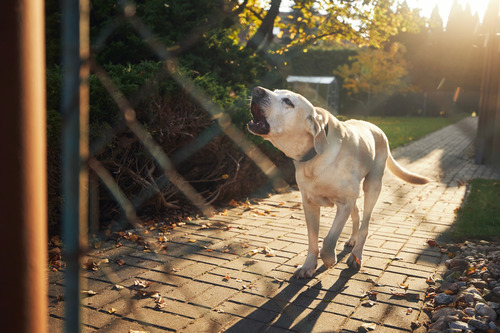
Dogs bark for many reasons: excitement, alertness, frustration, boredom, or even stress. While barking is a natural behavior, excessive vocalization can become disruptive. If you’re looking for practical ways to stop dog barking, it begins with understanding what’s triggering your pet and using consistent, positive techniques to help them relax and focus. At Laurel Veterinary Clinic in Broomfield, CO, our team can help you identify what’s behind your dog’s barking and support their behavioral health.
Understanding Why Dogs Bark
Before you can stop dog barking, it’s essential to understand the “why” behind it. Dogs use barking as a form of communication. Some dogs bark to warn of perceived threats, while others may bark out of excitement or loneliness. Identifying the reason your dog barks helps guide you toward the most effective strategy.
Common Reasons Dogs Bark
- Alert barking: Triggered by sounds or movements outside the home, such as people walking by or delivery trucks.
- Territorial barking: Happens when dogs protect their home or yard from perceived intruders.
- Attention-seeking barking: Occurs when dogs want food, playtime, or affection.
- Boredom or frustration: Dogs left alone or under-stimulated may bark to release pent-up energy.
- Anxiety-related barking: Common in dogs with separation anxiety or fear-based stress.
Recognizing these triggers allows you to approach each situation with the right tools and mindset to stop dog barking more effectively.
How to Stop Dog Barking Through Positive Reinforcement
Positive reinforcement training is one of the most effective and humane ways to stop dog barking. Rather than punishing your dog for barking, this approach focuses on rewarding quiet behavior and redirecting attention.
Rewarding Quiet Moments
Timing is everything. When your dog stops barking—even briefly—reward them immediately with treats or praise. Over time, they’ll begin to associate being quiet with positive outcomes. Consistency is key. Every family member should respond the same way to barking to avoid confusion.
Teaching the “Quiet” Command
You can train your dog to stop barking on cue by introducing a verbal command such as “quiet.” Start by letting your dog bark a few times, then calmly say “quiet.” When they pause, reward them. Repeat this process in short training sessions until your dog responds reliably.
Avoid Rewarding Barking Behavior
It’s important not to unintentionally reinforce barking. Giving attention (whether positive or negative) when your dog barks can make the behavior worse. Wait for a calm moment before responding to them. Positive reinforcement builds trust and helps your dog learn what’s expected without fear or confusion.
Managing Triggers That Cause Barking
Sometimes the best way to stop dog barking is to manage or remove the triggers that set it off. Dogs often respond to sights, sounds, or situations that make them feel anxious or excited.
Reduce Visual Triggers
If your dog barks at passersby or outdoor activity, limit their access to windows or use frosted glass film. Creating a calmer environment can significantly reduce barking frequency.
Control Environmental Sounds
Some dogs bark at specific noises such as doorbells or delivery trucks. Playing white noise, music, or using sound desensitization techniques can help reduce their sensitivity over time.
Provide Physical and Mental Stimulation
A tired dog is less likely to bark excessively. Regular walks, playtime, and puzzle toys can keep your dog mentally engaged and physically satisfied. Dogs in Broomfield benefit from daily activity, whether it’s a stroll around the neighborhood or a visit to local dog-friendly parks. By minimizing exposure to barking triggers and ensuring your dog’s day includes enrichment, you can create a calmer home environment.
Addressing Separation Anxiety and Stress-Related Barking
Anxiety is one of the leading causes of excessive barking. If your dog barks when left alone, it could be a sign of stress rather than misbehavior.
Recognizing Anxiety-Driven Barking
Dogs with separation anxiety often bark continuously when their owner leaves, sometimes accompanied by pacing, drooling, or destructive behavior. It’s a sign your dog is experiencing emotional distress.
Steps to Support Your Dog
Establishing a predictable routine can help. Give your dog short, calm departures and arrivals to prevent emotional highs and lows. Enrichment items such as food puzzles or chew toys can occupy their attention while you’re away. If your dog continues to bark excessively despite these adjustments, your veterinarian can evaluate whether additional support or professional training could help. Talk with your veterinarian at Laurel Veterinary Clinic about your dog’s barking and our team can assess underlying issues and recommend behavior modification strategies or referral to a certified trainer.
Training Techniques to Redirect Barking
Training provides structure and gives your dog alternative behaviors to focus on instead of barking.
“Go to Your Spot” Training
Teach your dog to go to a designated area when they start barking. This could be a mat or bed in a quiet part of your home. Use treats to guide them to the spot and reward them for staying there calmly.
Desensitization and Counterconditioning
If your dog barks at specific triggers (like the mail carrier or visitors), gradual exposure can help reduce their sensitivity. Start by introducing the trigger at a low intensity and rewarding calm behavior. Gradually increase the exposure as your dog becomes more relaxed.
Structured Socialization
Proper socialization builds confidence. Gradually introducing your dog to new people, pets, and environments can reduce fear-based barking over time. These methods take patience, but consistent training strengthens your bond and helps stop dog barking in a positive, sustainable way.
The Role of Routine and Consistency
Dogs thrive on routine. Regular feeding times, exercise schedules, and quiet periods throughout the day help reduce anxiety and prevent unnecessary barking.
Establishing Predictable Daily Patterns
When your dog knows what to expect, they’re less likely to become restless or vocal. Include time for walks, play, and relaxation. Even short training sessions each day reinforce focus and obedience.
Encouraging Calm Behavior
Create a calm household atmosphere by rewarding relaxation. You can quietly praise your dog when they lie down or stay calm during potentially exciting moments, such as guests arriving.
Consistency from every household member is the foundation of long-term behavior improvement.
When to Seek Professional Help
If you’ve tried these methods and your dog continues to bark excessively, professional help may be beneficial. Persistent barking can sometimes stem from underlying medical issues, discomfort, or complex behavioral challenges. A veterinarian can evaluate whether pain, illness, or anxiety contributes to the behavior. From there, they may recommend working with a certified dog trainer or veterinary behaviorist for specialized support. At Laurel Veterinary Clinic in Broomfield, CO, our team can help you identify the cause and guide you toward effective solutions tailored to your pet’s needs. To discuss your dog’s behavior or schedule an evaluation, call (303) 469-5363 or book an appointment online today.
Helping Your Dog Find Their Calm
Learning how to stop dog barking takes time, patience, and understanding. Every dog has unique triggers, and progress may be gradual. Focus on rewarding calm behavior, reducing stressors, and keeping a consistent routine. With positive guidance and professional support from your veterinary team, your dog can learn to communicate more quietly and comfortably, making life more peaceful for both of you.