When temperatures rise, dog heatstroke becomes a serious concern for pet owners. Dog heatstroke occurs when a dog’s body temperature climbs dangerously high, typically above 104°F, and their body can no longer cool itself efficiently. Unlike humans, dogs don’t sweat through their skin, instead they rely mainly on panting to regulate temperature. When that system becomes overwhelmed, their internal organs begin to suffer, which can quickly lead to life-threatening complications. Knowing what causes dog heatstroke, how to recognize it early, and what steps to take next can make all the difference. If you suspect your pet may be experiencing symptoms of heat stress, contact Laurel Veterinary Clinic in Broomfield, CO right away by calling (303) 469-5363 or booking an appointment online.
What Causes Dog Heatstroke?
Dog heatstroke often results from prolonged exposure to high temperatures or poor ventilation. Since dogs are less efficient at cooling themselves than humans, even a short period in extreme heat can cause their body temperature to rise to dangerous levels. Common causes include:
- Being left in a parked car, even for a few minutes. Interior temperatures can skyrocket in seconds.
- Exercising in hot or humid weather, especially without adequate rest or hydration.
- Lack of shade or fresh water, particularly for outdoor dogs.
- Poor airflow in confined spaces, such as kennels or garages.
- Underlying health issues, including obesity or respiratory problems, which make heat regulation harder.
Certain breeds are more prone to dog heatstroke than others. Flat-faced breeds like Bulldogs, Pugs, and Boxers are especially vulnerable because their shorter airways make panting less effective. Senior dogs, puppies, and dogs with thick coats or heart conditions are also at higher risk.
Recognizing the Signs of Dog Heatstroke
Early detection of dog heatstroke can help prevent serious complications. The signs can appear quickly and may worsen within minutes, so paying close attention to your pet’s behavior in warm conditions is vital. Common symptoms include:
- Heavy panting or difficulty breathing
- Excessive drooling or thick saliva
- Rapid heartbeat
- Lethargy or weakness
- Vomiting or diarrhea
- Bright red, gray, or pale gums
- Uncoordinated movements or collapse
If your dog displays these signs, contact Laurel Veterinary Clinic immediately. Heatstroke is a medical emergency that requires prompt veterinary attention.
Subtle Early Indicators
Sometimes, the first signs of dog heatstroke are subtle: slightly heavier breathing or restlessness in the shade. If you notice your dog seeking cooler areas, refusing to play, or acting unusually tired after minimal exertion, these may be early warnings that their body is overheating. Recognizing these mild cues can help prevent a more severe emergency.
What Veterinarians Do to Treat Dog Heatstroke
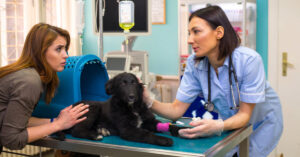
When a dog arrives at the clinic with suspected heatstroke, veterinarians act quickly to stabilize their condition. Treatment focuses on gradually lowering the dog’s body temperature and supporting affected organs. Typical veterinary interventions may include:
- Controlled cooling with cool (not cold) fluids or damp towels
- IV fluid therapy to restore hydration and circulation
- Monitoring of vital signs, including temperature and heart rate
- Blood work to check for dehydration, electrolyte imbalances, or organ stress
- Oxygen therapy for dogs showing signs of respiratory distress
Because dog heatstroke can affect the liver, kidneys, heart, and brain, follow-up monitoring is often necessary. Even after initial treatment, some dogs may need additional care to ensure no delayed complications occur.
How Long Recovery Takes After Dog Heatstroke
Recovery from dog heatstroke varies depending on how quickly treatment begins and the severity of the episode. Mild cases may improve within a few days, while more severe cases can take weeks for a full recovery. Your veterinarian may recommend rest, hydration, and follow-up visits to monitor your pet’s progress. Dogs that have suffered heatstroke once are at higher risk for recurrence, so proactive prevention is essential for their future safety.
Tips for Preventing Dog Heatstroke
Preventing dog heatstroke starts with awareness and proactive care. Even moderate heat can be dangerous under certain conditions, so it’s always safer to plan ahead.
Avoid Hot Environments
Never leave your dog in a parked car, even for a moment. Temperatures inside can soar well above 100°F within minutes, even with the windows cracked. If you must run errands, it’s best to leave your pet at home where it’s cool and comfortable.
Modify Outdoor Activities
Walk your dog early in the morning or later in the evening when temperatures are lower. Avoid intense exercise during midday heat, and always bring water on walks.
Provide Cool Shelter
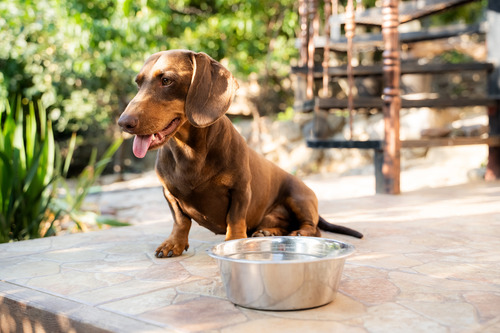
If your dog spends time outdoors, ensure there’s plenty of shade, cool airflow, and access to fresh water. Kiddie pools, cooling mats, and shaded patios can make a big difference.
Grooming and Coat Care
Regular grooming helps prevent matting and allows for better airflow through your dog’s coat. However, avoid shaving double-coated breeds completely, as their fur helps regulate temperature and protect from sunburn.
Know Your Dog’s Limits
Each dog handles heat differently. Brachycephalic breeds, overweight pets, and older dogs may need extra caution during the summer months. Watch for even minor signs of fatigue or overheating during walks or playtime.
The Dangers of “Quick Errands” and Summer Travel
Even brief stops or car rides can turn dangerous fast. On a warm 80°F day, the inside of a car can reach 100°F in just ten minutes. Within half an hour, it may exceed 120°F, conditions that can cause dog heatstroke in minutes. If you’re planning a summer trip, pack travel essentials like collapsible water bowls, cooling towels, and shade covers. Frequent stops and cool rest breaks can keep your dog safe and comfortable on the road.
How Colorado’s Climate Affects Dog Heatstroke Risk
Broomfield, CO, is known for its dry climate and high elevation, which can make temperatures feel hotter for dogs than they do for people. Because the air is thinner, dogs may struggle to regulate their temperature during outdoor activities. Hydration becomes even more important here, as dehydration can accelerate the onset of heat-related illness.
Laurel Veterinary Clinic often sees dog heatstroke cases during summer hikes, outdoor festivals, and backyard play sessions. With the region’s mix of sunshine and altitude, even seemingly mild days can pose risks. Being mindful of temperature, humidity, and your dog’s condition can help prevent heatstroke year-round.
Why Immediate Veterinary Care Matters
One of the most important things pet owners can do is act quickly when they suspect dog heatstroke. Dogs can’t tell you when they’re overheating, so it’s up to you to recognize the signs and seek help without delay. Heat-related illnesses progress rapidly, and waiting “to see if it passes” can lead to irreversible organ damage. Veterinary professionals have the equipment, fluids, and monitoring tools necessary to safely stabilize your pet. Prompt intervention dramatically improves the chances of recovery.
Helping Your Dog Stay Safe and Comfortable Year-Round
Dog heatstroke is entirely preventable with the right precautions and awareness. By staying alert to environmental changes, providing shade and water, and adjusting activity levels during warm weather, you can protect your pet from serious harm. If you suspect heatstroke or notice symptoms like excessive panting, drooling, or lethargy, contact Laurel Veterinary Clinic in Broomfield, CO immediately. Call (303) 469-5363 or book an appointment online to speak with our veterinary team. Your vigilance and quick response can make all the difference in your dog’s safety and well-being.