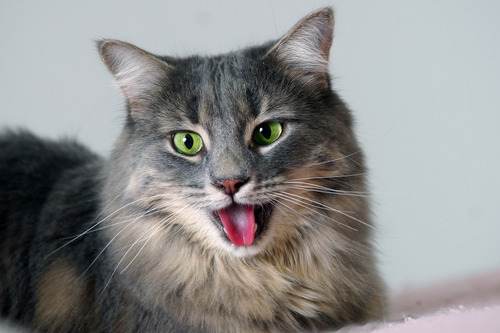
If you’ve ever noticed your cat panting, you’re not alone in wondering if it’s normal or a sign of something serious. Unlike dogs, cat panting isn’t usually a routine behavior. It can signal stress, heat, or an underlying health condition that needs veterinary attention. While a brief moment of open-mouth breathing after play or stress may be harmless, persistent or heavy panting often means it’s time to call your veterinarian. If your cat is panting frequently or seems uncomfortable, contact Laurel Veterinary Clinic in Broomfield, CO at (303) 469-5363 or book an appointment online to have them evaluated.
Why Do Cats Pant?
Cats may pant for several reasons, ranging from short-term physical stress to serious medical conditions. Understanding what’s normal and what’s not can help you respond appropriately and get your cat the care they need.
Normal Situations That Can Cause Panting
In some cases, cat panting occurs temporarily and resolves on its own. Your cat may pant briefly if they’ve been:
- Exercising vigorously (especially playful kittens)
- Overheated or exposed to warm weather
- Anxious or frightened (such as during car rides or vet visits)
This type of panting tends to stop once your cat cools down or calms down. Their breathing returns to normal, and they resume their usual behavior. Still, it’s a good idea to monitor them closely and make sure the panting doesn’t continue once the stress or heat has passed.
When Cat Panting Signals a Problem
If your cat pants while resting, breathes rapidly, or shows other signs of distress, it could point to a medical issue. Abnormal cat panting may be caused by:
- Respiratory infections or asthma
- Heart disease or fluid buildup around the lungs
- Pain, fever, or metabolic disorders
- Obstruction of the airways
- Stress-related hyperventilation
Because these issues can progress quickly, professional veterinary evaluation is essential to identify the cause and begin appropriate treatment.
How to Tell If Your Cat’s Panting Is Serious
Not all panting looks the same. Knowing the difference between mild, situational panting and panting that signals an emergency can help you act quickly when your cat needs help.
Signs That Panting Is Normal
If your cat has just finished an energetic play session or has been in a warm environment, a few shallow breaths with their mouth open may not be cause for concern. This type of cat panting should:
- Last only a few minutes
- Stop once they rest or move to a cooler area
- Occur without additional signs of distress
If your cat’s behavior returns to normal soon after, it’s likely a response to temporary exertion or heat.
Signs That Panting May Be an Emergency
You should contact a veterinarian right away if your cat’s panting is accompanied by:
- Blue or pale gums or tongue
- Rapid breathing or wheezing sounds
- Coughing or gagging
- Lethargy or weakness
- Refusal to eat or drink
- Extended duration or worsening intensity
These symptoms can indicate an underlying issue that needs immediate veterinary attention. Cats often mask signs of illness until they become severe, so early action makes a big difference in their care.
Common Causes of Abnormal Cat Panting
When cat panting persists beyond a few minutes, it’s often a clue that something in their body isn’t functioning properly. Below are some of the most common medical reasons for panting.
Respiratory Issues
Cats can develop breathing problems due to infections, asthma, or inflammation of the airways. Feline asthma, for example, causes recurring episodes of wheezing, coughing, and panting. Infections like pneumonia may also make it difficult for cats to take in enough oxygen, leading to open-mouth breathing.
Heart Disease
Conditions such as hypertrophic cardiomyopathy (HCM) can cause fluid buildup in the chest, making breathing harder. Cats with heart disease may pant, breathe rapidly, or tire easily after minimal activity. Because these signs often develop subtly, any new breathing changes should be evaluated by a veterinarian.
Pain or Fever
Discomfort or elevated body temperature can cause a cat to pant as their body attempts to regulate heat or manage pain. Cats may hide or show less interest in interaction when they’re uncomfortable, which can accompany abnormal breathing.
Stress or Anxiety
Cats are sensitive animals, and stressful events like car travel, moving to a new home, or loud noises can lead to temporary cat panting. If your cat consistently pants during stressful moments, it may be helpful to discuss anxiety management strategies with your veterinarian.
Heatstroke
Although rare in cats, heatstroke can occur if they’re trapped in a hot space, such as a car or sunroom. In these situations, panting is an early warning sign that your cat is overheating. Heatstroke can progress quickly, so professional veterinary care is vital if you suspect it.
Diagnosing the Cause of Cat Panting
When you bring your cat to Laurel Veterinary Clinic for evaluation, your veterinarian will begin by discussing your cat’s history, recent behavior, and any potential exposure to stress or heat. A thorough physical exam helps assess breathing patterns, heart function, and overall condition.
Depending on findings, your veterinarian may recommend:
- Chest X-rays to examine the lungs and heart
- Bloodwork to evaluate oxygen levels and organ health
- Echocardiogram to check for structural heart problems
- Oxygen therapy or supportive care if breathing is difficult
These tests help identify what’s causing your cat’s panting and guide the next steps in care.
What You Can Do if You Notice Your Cat Panting
While you should avoid home treatments, you can take a few steps to keep your cat comfortable while arranging veterinary care.
Monitor Their Breathing
Observe the frequency, duration, and intensity of your cat’s panting. Note any additional symptoms such as coughing, drooling, or lethargy. Sharing these details with your veterinarian can help speed up diagnosis.
Reduce Environmental Stress
Move your cat to a quiet, cool space with good ventilation. Keep them away from direct sunlight, loud noises, or other animals that might be causing anxiety. Calming the environment can help if the panting is stress-related.
Contact Your Veterinarian Promptly
If cat panting continues or worsens, or if your cat shows any signs of distress, call Laurel Veterinary Clinic at (303) 469-5363 or schedule an appointment online. Professional evaluation is the safest and most effective way to address breathing concerns in cats.
How to Prevent Future Episodes of Cat Panting
Once your cat’s condition is understood and addressed, prevention focuses on maintaining their comfort and reducing risk factors.
Keep Temperatures Comfortable
Avoid exposing your cat to high temperatures or humidity for long periods. Make sure they always have access to fresh water and shaded resting areas, especially during warmer months.
Schedule Regular Checkups
Routine wellness exams at Laurel Veterinary Clinic allow your veterinarian to track your cat’s heart and respiratory health over time. Early detection of disease leads to better outcomes and fewer emergencies.
Manage Stress Effectively
If your cat tends to pant when anxious, discuss calming solutions with your veterinarian. Using pheromone diffusers, maintaining consistent routines, and offering safe hiding spots can help minimize stress-related panting.
When to Contact Laurel Veterinary Clinic in Broomfield, CO
Cat panting may look harmless at first, but it’s often a signal that your cat needs medical attention. Even if your cat seems fine afterward, any repeated or unexplained panting should be checked by a veterinarian. The caring team at Laurel Veterinary Clinic is here to evaluate your cat’s breathing and uncover what’s causing the change. Call (303) 469-5363 or book an appointment online to schedule a visit and help your cat breathe easier again.