
As dogs age, it’s common for them to move more slowly or show stiffness after resting, but these changes aren’t always just part of “getting older.” They may be signs of dog arthritis, a painful joint condition that affects mobility and quality of life. Recognizing arthritis early and seeking veterinary support can make a world of difference for your pet’s comfort and long-term health. At Laurel Veterinary Clinic in Broomfield, CO, our team helps dogs manage arthritis so they can stay active and happy. Call (303) 469-5363 or book an appointment online to discuss your dog’s joint health today.
What Is Dog Arthritis?
Dog arthritis is a degenerative joint disease that causes inflammation and pain in the joints. It most often affects older dogs, but younger dogs can also develop arthritis due to injury, genetics, or abnormal joint development. Over time, the protective cartilage that cushions a dog’s joints wears down, leading to friction between bones. This friction causes stiffness, swelling, and discomfort, especially after rest or vigorous activity.
Arthritis can affect one or multiple joints, including the hips, knees, shoulders, elbows, and spine. The most common form in dogs is osteoarthritis, which gradually worsens with time. While it can’t be completely cured, proactive care from your veterinarian can significantly reduce pain and slow progression.
How Can You Tell If Your Dog Has Arthritis?
Arthritis often develops slowly, and dogs may hide their pain until it becomes severe. Pet owners should look for subtle behavioral and physical changes that may indicate dog arthritis.
Physical Signs
- Stiffness when getting up or lying down
- Limping or favoring one leg
- Difficulty climbing stairs or jumping into the car
- Noticeable loss of muscle tone in the limbs
- Swollen or tender joints
Behavioral Signs
- Reluctance to play or go on walks
- Increased irritability or withdrawal
- Sleeping more than usual
- Whining or showing discomfort when touched
- Avoiding slick floors or hard surfaces
If you notice one or more of these symptoms, schedule an appointment with Laurel Veterinary Clinic. Early evaluation helps confirm whether arthritis or another condition is causing your dog’s discomfort.
Causes and Risk Factors for Dog Arthritis
While age is a major factor, dog arthritis doesn’t only affect senior pets. A variety of underlying causes can contribute to joint damage or inflammation.
Age and Wear-and-Tear
As dogs get older, natural wear on the joints can lead to cartilage breakdown. This process accelerates in active breeds or those that have experienced repetitive stress on their joints.
Breed and Genetics
Certain breeds, such as Labrador Retrievers, German Shepherds, Golden Retrievers, and Rottweilers, have a higher risk of developing arthritis. Genetic conditions like hip or elbow dysplasia also increase susceptibility.
Past Injuries
Joint trauma from fractures, ligament tears, or dislocations can lead to early-onset arthritis. Even after an injury heals, the joint may remain unstable or inflamed.
Weight and Nutrition
Overweight dogs experience added stress on their joints, which can accelerate cartilage deterioration. Proper nutrition and weight management play a major role in reducing strain and inflammation.
The Diagnostic Process for Dog Arthritis
Accurate diagnosis is essential before starting treatment. During a veterinary visit to Laurel Veterinary Clinic, your veterinarian will perform a thorough physical exam and discuss your dog’s health history, lifestyle, and activity changes.
Physical Examination
Your vet will gently manipulate your dog’s joints to check for stiffness, swelling, and reduced range of motion. They’ll also assess muscle tone and note any signs of pain or resistance.
Diagnostic Imaging and Tests
To confirm dog arthritis, your veterinarian may recommend diagnostic tests such as:
- X-rays to evaluate bone changes and joint space narrowing
- Bloodwork to rule out infections or other diseases
- Joint fluid analysis to identify inflammation or abnormal cells
These tools allow your veterinarian to pinpoint affected joints and develop an individualized treatment plan for your pet.
Approaches to Treating Dog Arthritis
While arthritis is a lifelong condition, veterinary care can greatly improve your dog’s mobility and comfort. At Laurel Veterinary Clinic, we offer personalized arthritis management plans tailored to each pet’s needs.
Pain Management and Anti-Inflammatory Options
Veterinarians often prescribe medications that target inflammation and pain. These treatments reduce swelling and help dogs regain a more normal range of motion. Your vet will determine which medications are safest and most effective for your dog’s condition.
Joint Supplements and Nutritional Support
Supplements such as glucosamine, chondroitin sulfate, and omega-3 fatty acids can support joint health and cartilage repair. Your veterinarian may recommend specific formulas that meet your dog’s size, age, and nutritional requirements.
Physical Therapy and Rehabilitation
Physical therapy, including underwater treadmill sessions or guided exercises, can strengthen muscles and improve flexibility. Regular, controlled movement supports joint health and helps maintain balance and mobility.
Weight Management Plans
Maintaining a healthy weight is one of the most effective ways to manage dog arthritis. Your veterinarian can design a safe weight-loss or maintenance plan to minimize joint stress while keeping your pet active and comfortable.
Advanced Veterinary Options
In severe cases, advanced treatments such as regenerative therapy, laser therapy, or surgery may be recommended to restore mobility and relieve pain. These options are determined on a case-by-case basis and depend on your dog’s overall health and joint condition.
Lifestyle Adjustments to Support a Dog with Arthritis
Veterinary treatment works best when paired with home adjustments that make your dog’s daily routine more comfortable.
Comfortable Living Environment
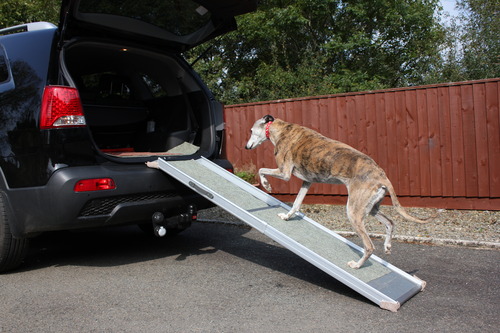
Provide soft bedding and keep your dog’s sleeping area warm to ease joint stiffness. Ramps or non-slip mats can help them move around safely without strain.
Gentle Exercise Routines
Regular low-impact activities such as short walks or swimming can keep joints flexible without causing pain. Always follow your veterinarian’s guidance regarding exercise duration and intensity.
Consistent Veterinary Checkups
Dogs with arthritis benefit from more frequent wellness visits to monitor progress and adjust treatment plans. This proactive care ensures pain is well-managed and mobility remains stable.
Why Early Veterinary Care Makes All the Difference
Early detection of dog arthritis allows veterinarians to slow disease progression and prevent unnecessary pain. The sooner treatment begins, the more likely your dog will maintain a good quality of life for years to come. At Laurel Veterinary Clinic, our compassionate team works closely with pet owners to identify arthritis in its earliest stages. Through individualized treatment, modern therapies, and ongoing support, we help dogs in Broomfield, CO, stay comfortable, active, and loved.
If you’ve noticed your dog moving more slowly or struggling to enjoy their usual activities, schedule an appointment today. Call (303) 469-5363 or book online to start your pet’s journey toward better mobility and comfort.